Done

In Operation

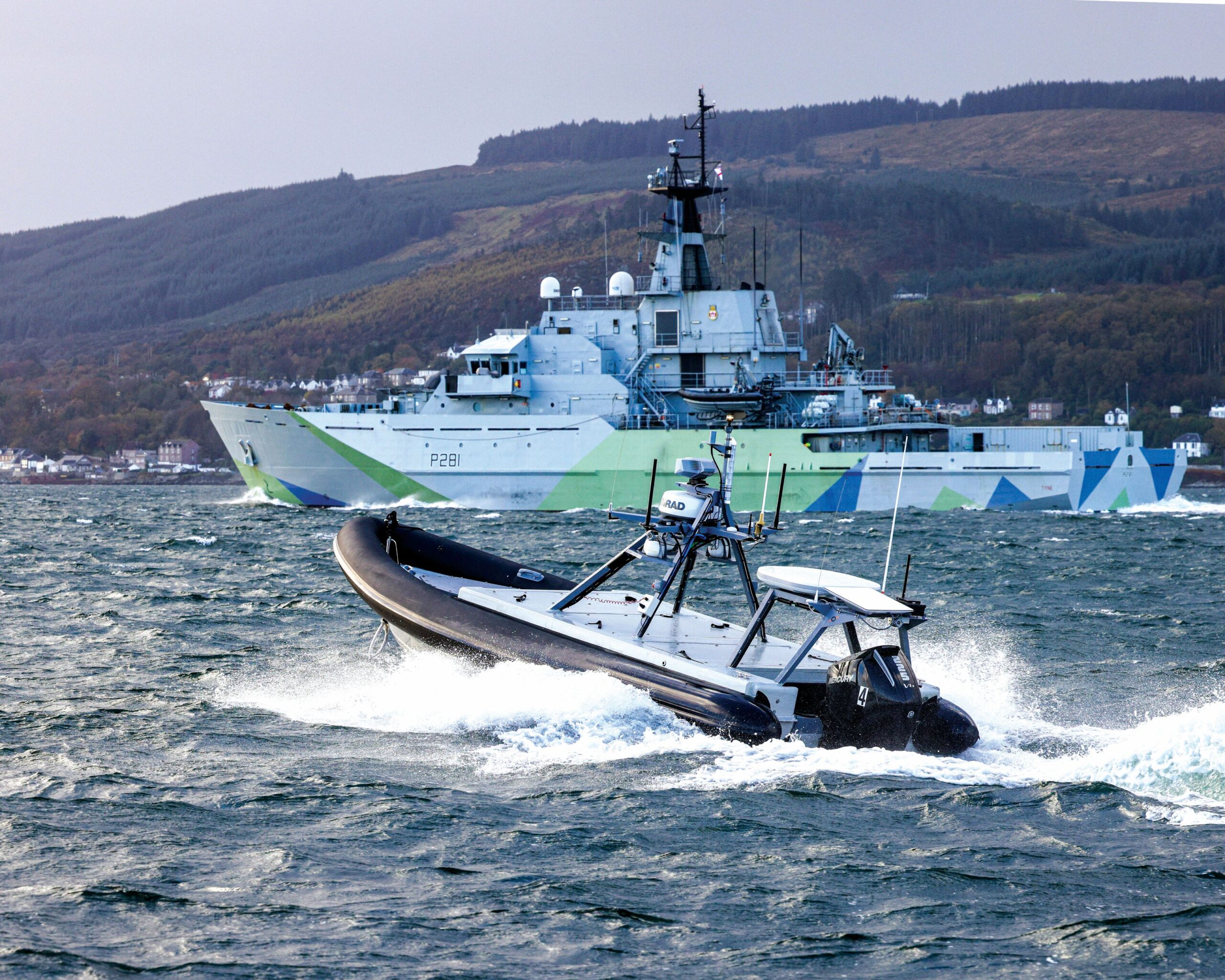
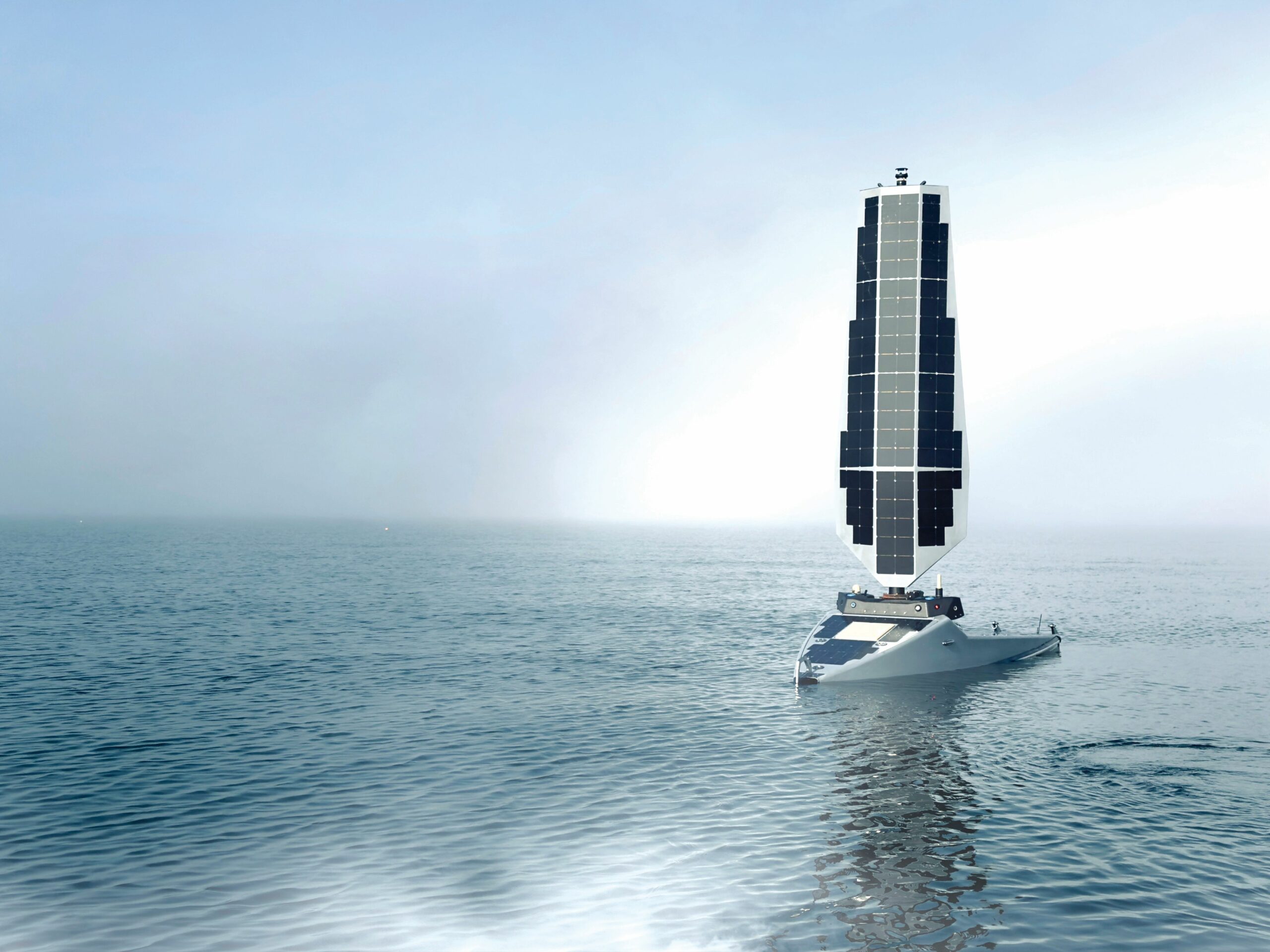
SYOS Aerospace’s SM USV family

Increasingly, developers of uncrewed systems are creating machines able to cooperate in groups to complete complex missions in contested environments. “Operators need autonomous systems that work not as isolated platforms...

PS

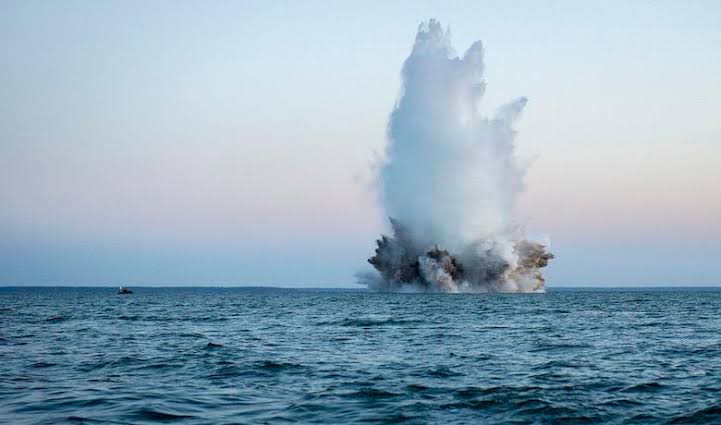
Torpedo threats to maritime drones

Uncrewed vehicles are now mainstream weapon systems universally regarded as essential both to deploy and to counter in fields of conflict. So far, most effort has been directed at bringing down UAVs, but now maritime drones...

In Operation

Ocean Aero Triton

As an Autonomous Underwater and Surface Vehicle (AUSV), Ocean Aero’s Triton is at home in two domains: surfacing to exploit solar and wind energy, and then folding its wing sail and submerging to avoid detection, harsh weather...


Platform One

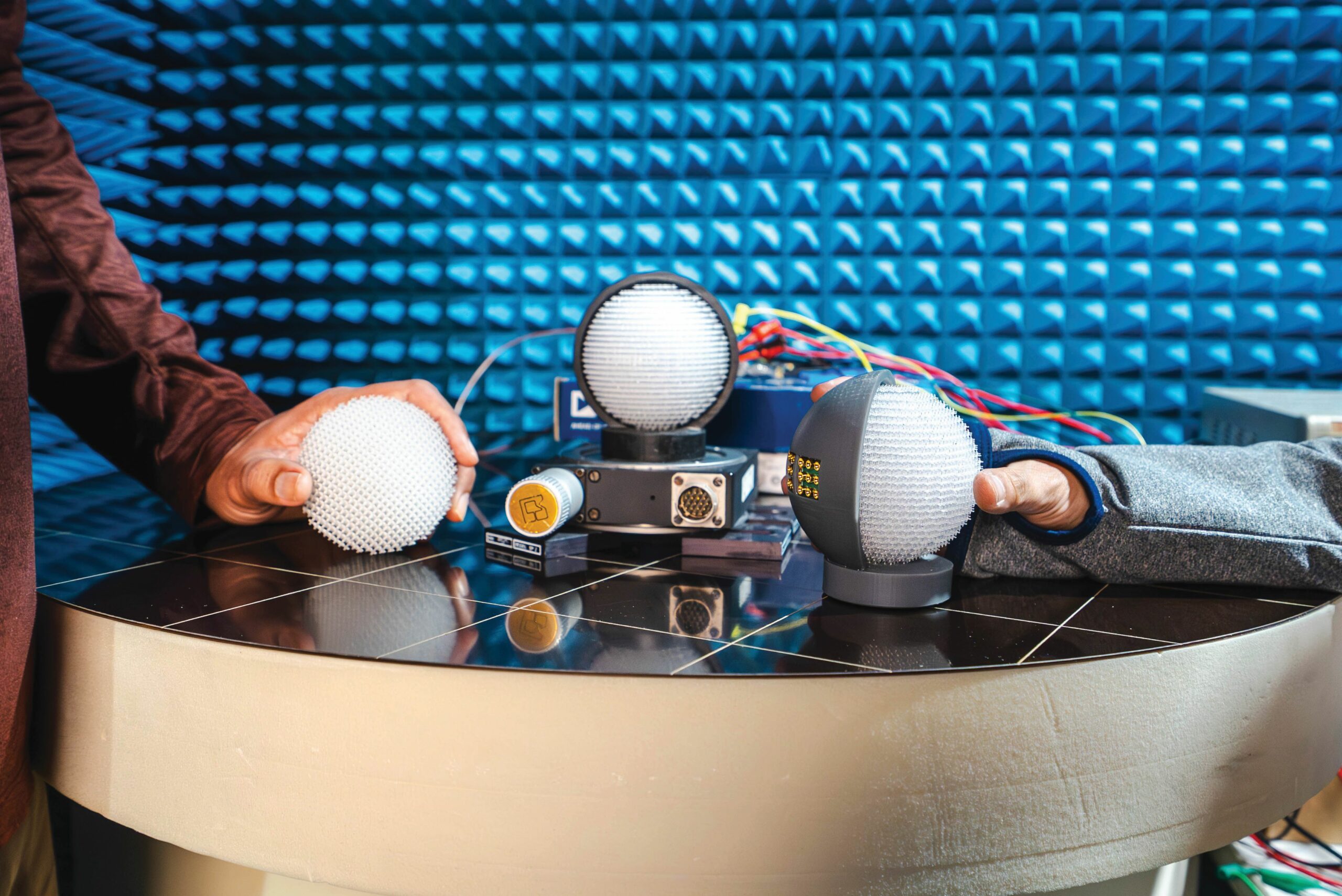
Low-power sensor for automotive radar systems

Development work in the US has produced a low-power millimetre-band radar sensor that can provide radar-equipped autonomous vehicles with critical inputs about surrounding traffic without adding additional communications overhead...

Platform One

Improved traffic flow with vehicle platooning

Researchers in China have used the rear lights of vehicles to communicate in a platoon. Vehicle platooning allows vehicles to travel in tightly coordinated groups to minimise aerodynamic drag, conserve fuel, alleviate road congestion...

New Products

Morphing wings adapt to flight conditions

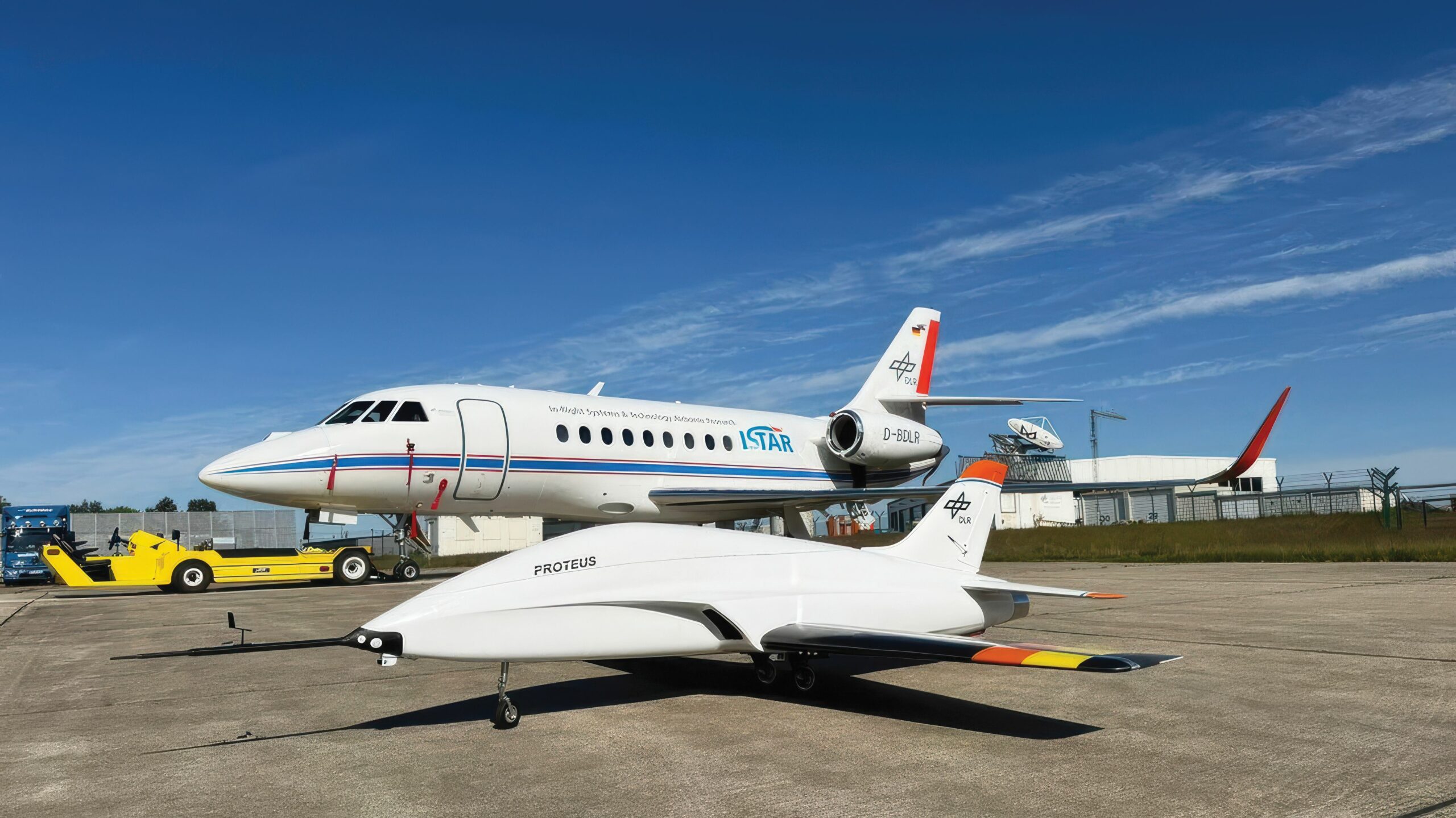
DLR in Germany has developed new aircraft wings capable of changing shape during flight. An AI model controls the wings and automatically adjusts them, even in the event of disturbances. The system has...

Platform One

Miniaturised solid-state batteries

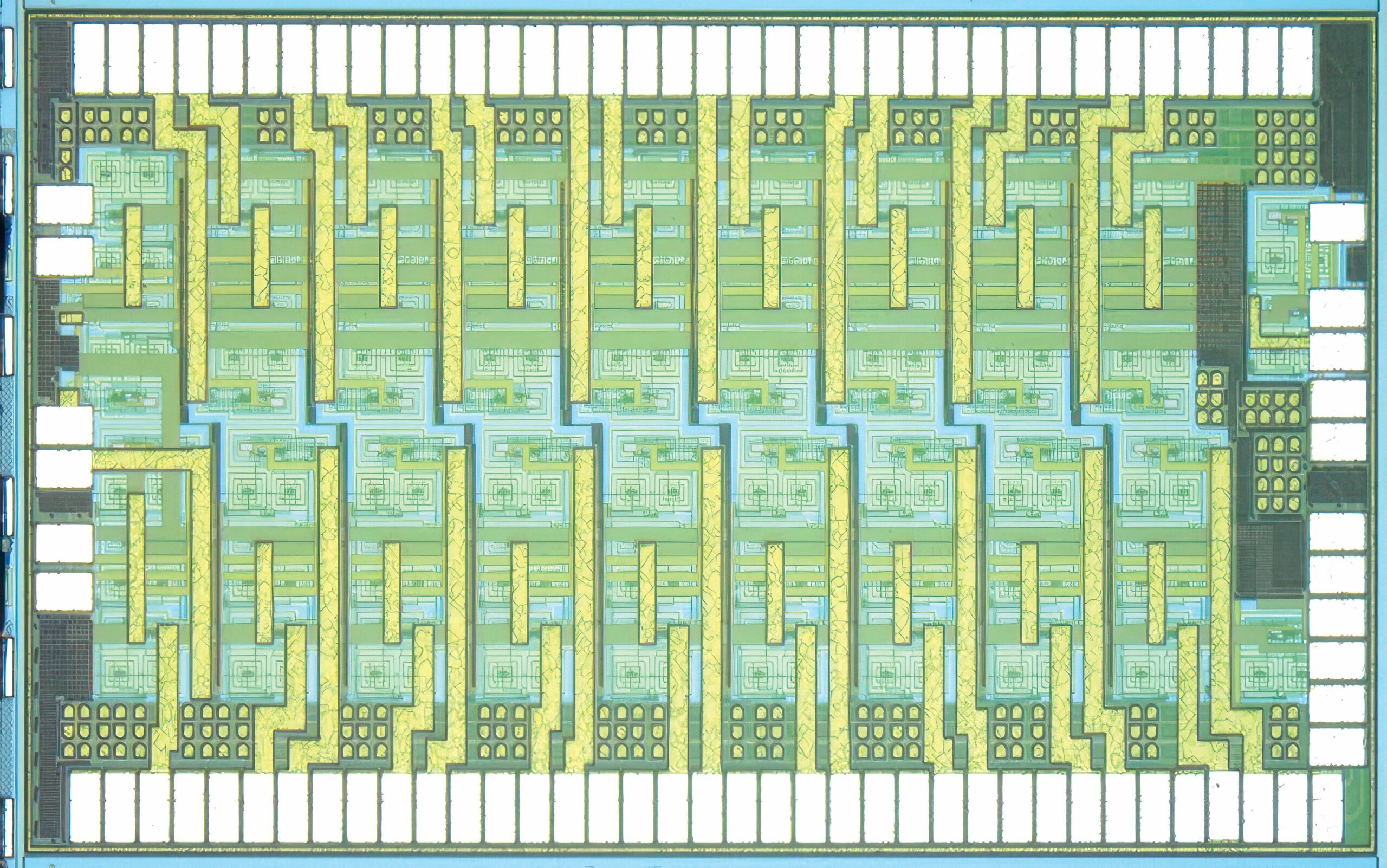
A chip that integrates reconfigurable solid-state batteries could enable nanoUAVs and microrobots to be powered for longer periods of time while staying lightweight and compact. Researchers from the University of California San Diego and...

Platform One

Causing a flap in aircraft propulsion

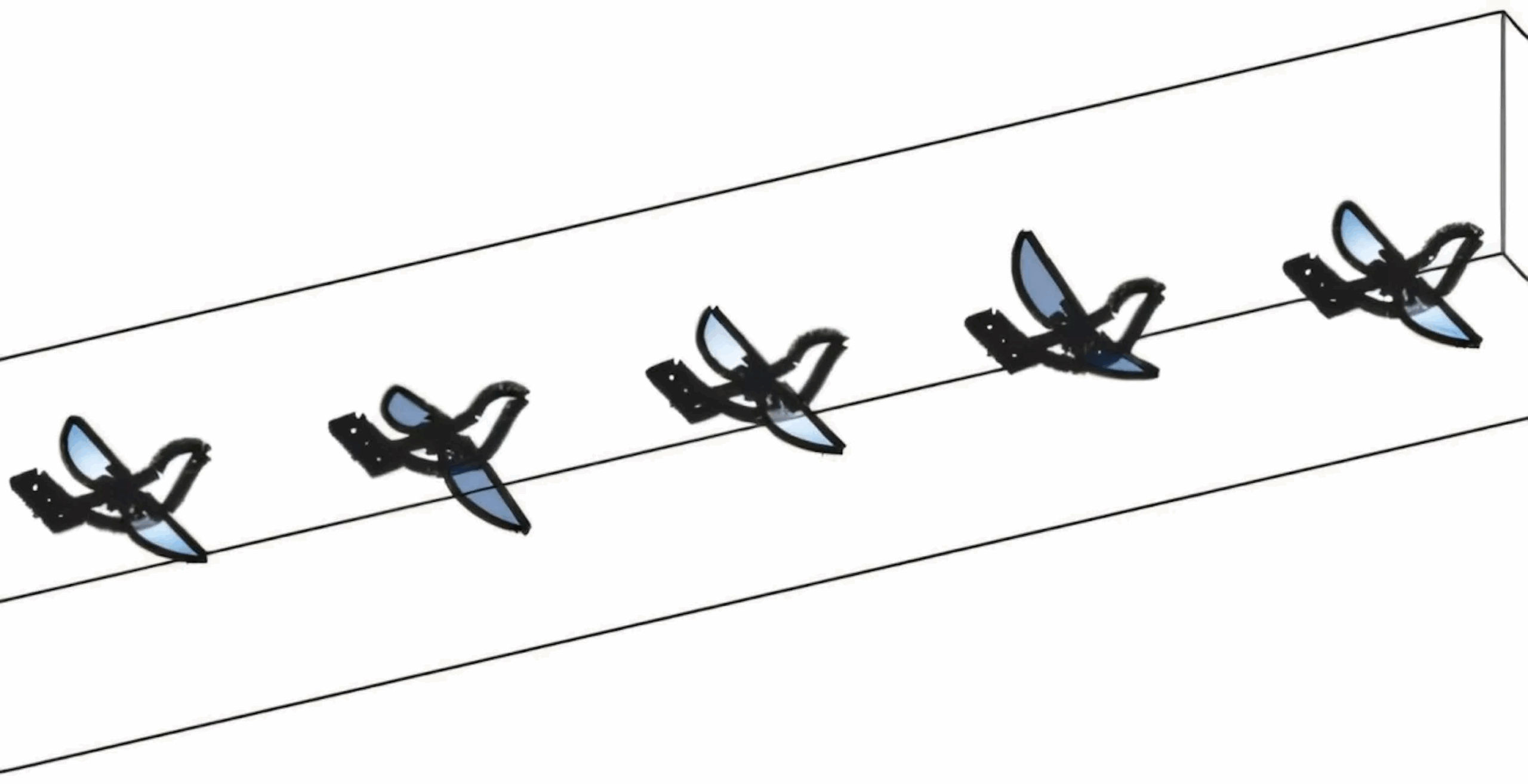
A solid-state ornithopter with no moving parts has been developed by researchers in the US. The ornithopter uses induced-strain actuators based on composite piezoelectric materials to eliminate the need for electromagnetic...

New Products

In-line architecture transforms fuel flow measurement

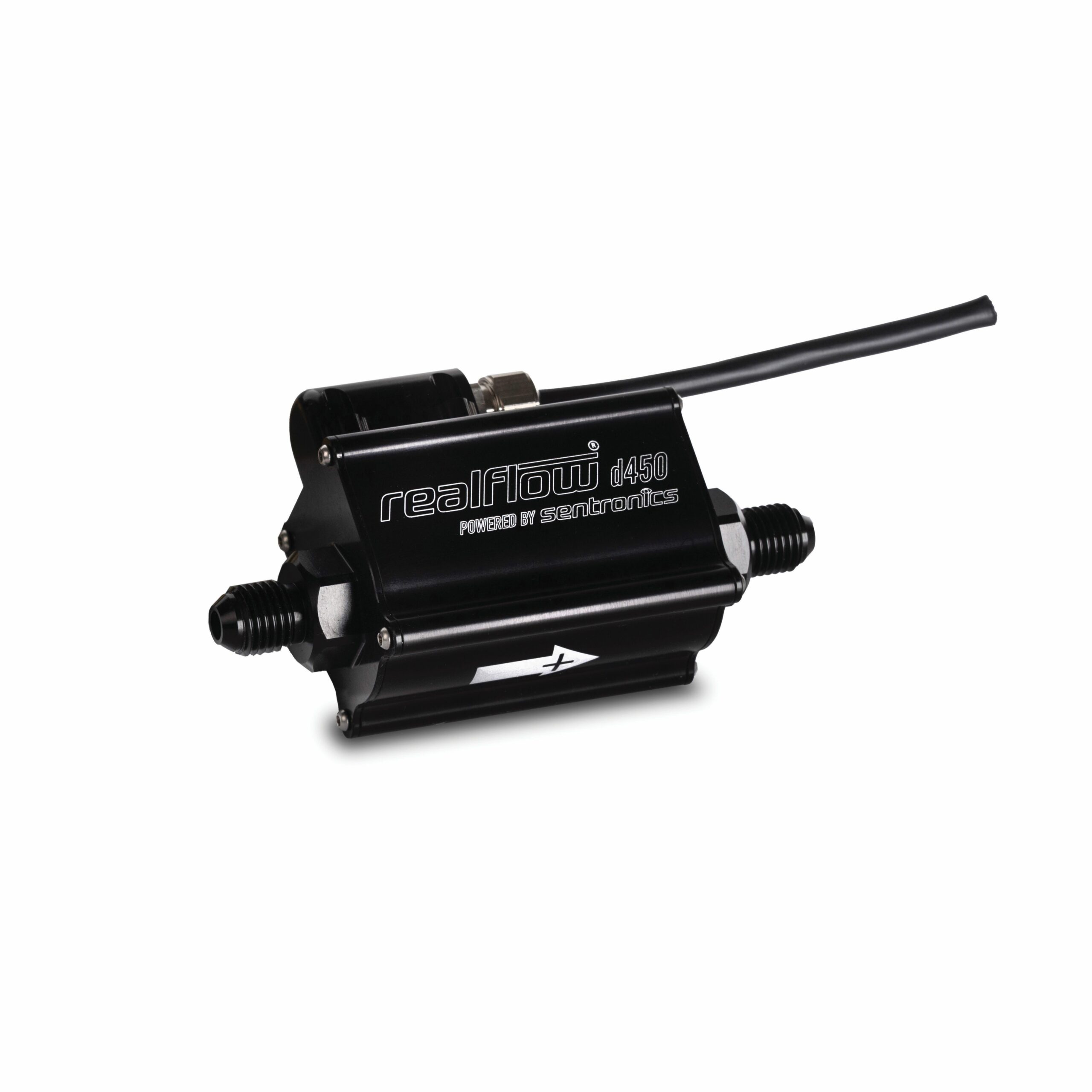
Sentronics has launched its range of next-generation fluid flow sensors, the RealFlow D‑Series, incorporating several innovations previously unseen in flow sensor products and of particular benefit to precise fuel monitoring...

Platform One

Low-cost wind-powered robot

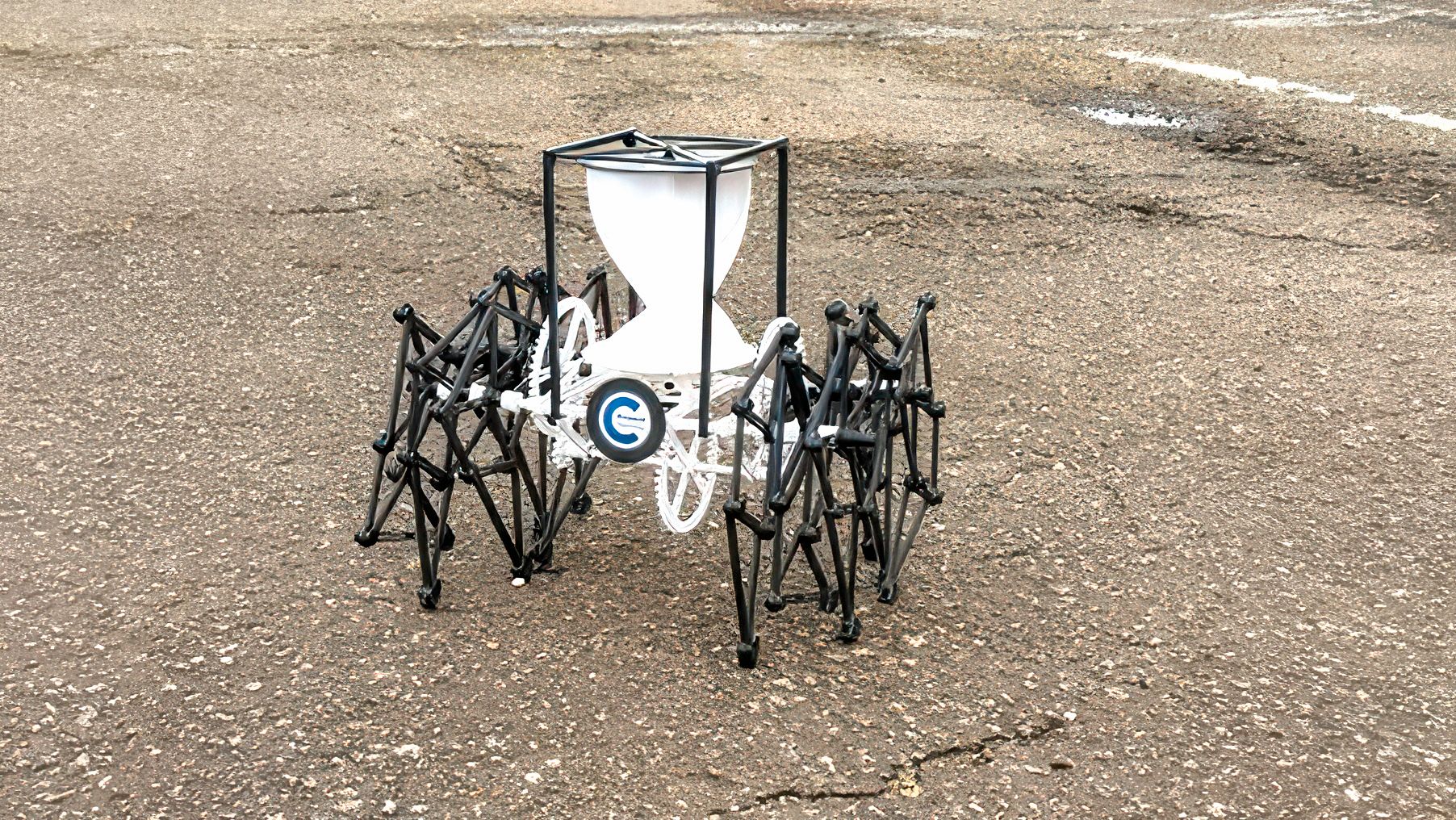
In the UK, researchers have developed a robot for hostile environments that is powered by wind energy. WANDER-bot is a low-cost, 3D-printed robot that is designed for deployment in hostile, windy environments such...

UPCOMING EVENTS