PS

PS

Countering microwave weapons

Whenever powerful new military technologies and the operational concepts and tactics that flow from them threaten to disrupt existing capabilities or lines of development, counters to them are immediately sought. This process is unfolding now as...

PS

Storm bringer, herald of a new nuclear age?

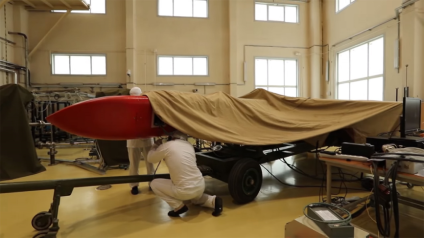
Apart from some sensational headlines and dismissive quotes from hostile analysts, the mainstream media has not paid a great deal of attention to Russia’s new nuclear-powered cruise missile. While the 9M730 Burevestnik – named after...

PS

Uncrewed interceptors need a system of systems

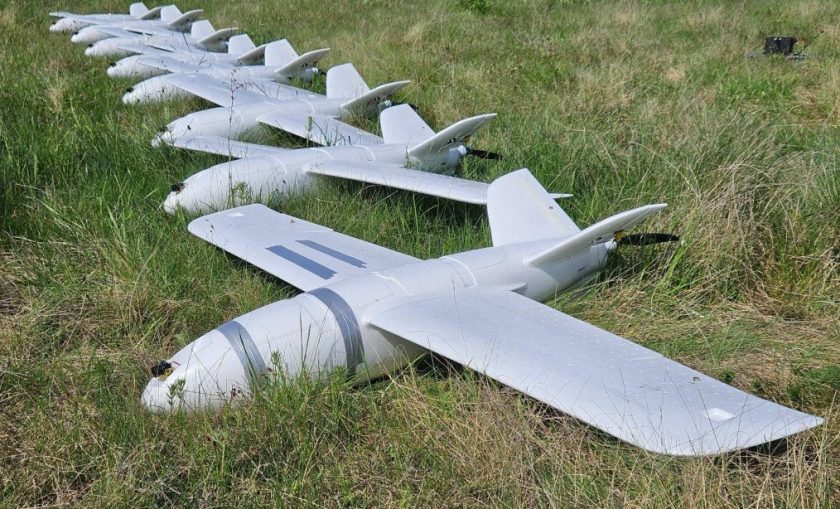
Direct air combat between UAVs is here to stay, and the Ukraine war is the primary crucible of its development. We are already seeing reconnaissance and attack UAVs intercepted by kamikaze drones that collide with them...

PS

Human-machine teaming

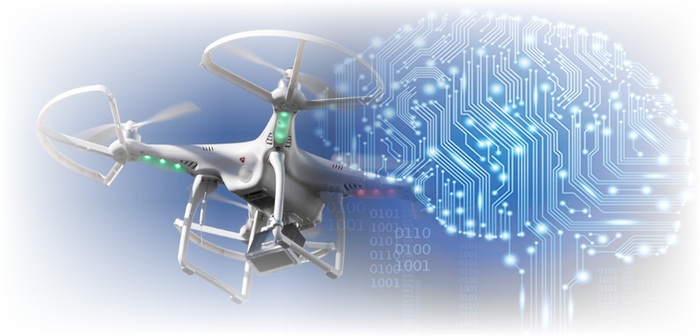
Human-Machine Teaming (HMT) in military operations is not new, but advances in AI and autonomous systems are forcing government and industry to rethink the relationship between people and machines. The kind of relationship they want...

PS

Uncrewed creativity?

Uncrewed vehicles have reached a curious frontier in their evolution, one in which autonomy begins to resemble something startlingly close to creativity. As AI continues to reshape their capabilities, it is natural to consider whether autonomous...

PS

UAS obsolescence and recycling

Although the rapid proliferation of small UASs for both consumer and professional use is a sign of a healthy and growing market, it would be a mistake to overlook the long-term implications of their obsolescence. Failure to manage these technologies...

PS

Replacing lost insects

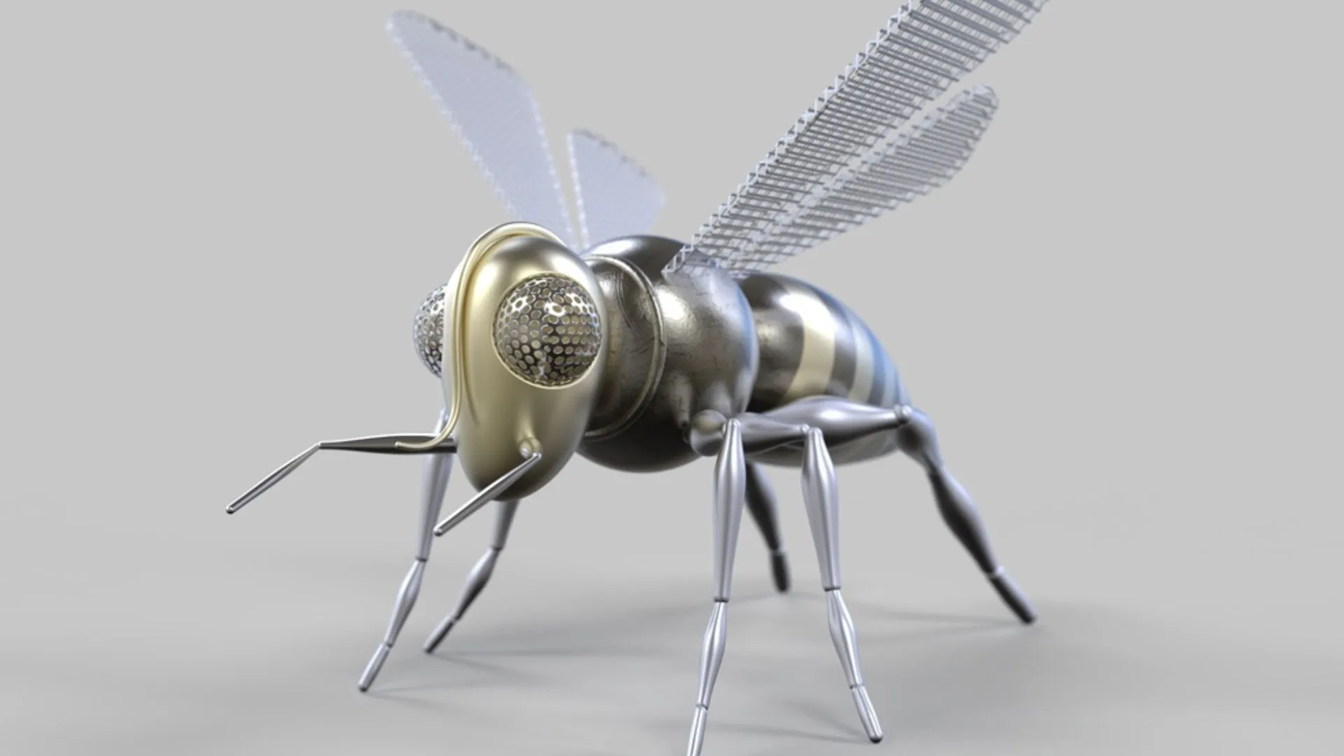
The global decline of insect populations has sparked alarm across scientific and agricultural communities. With pollinators like bees disappearing at an unprecedented rate and traditional pest control methods proving increasingly unsustainable...

PS

Kepler Advance system

Global Navigation Satellite Systems (GNSS) are spectacularly effective sources of positioning, navigation and timing (PNT) information, but they all rely on low-power, short-wavelength radio signals that are vulnerable to spoofing and jamming...


PS

Visual navigation

Along with many other animals, we humans are visual creatures who rely heavily on the sense of sight to find our way through complex, often hazardous environments – so much so that visual impairments...

PS

Nanorobots

Nanobots are a staple of science fiction, usually depicted as bacteria-sized self-replicating machines created for benign purposes...

UPCOMING EVENTS