



Sensor specification for driverless vehicles
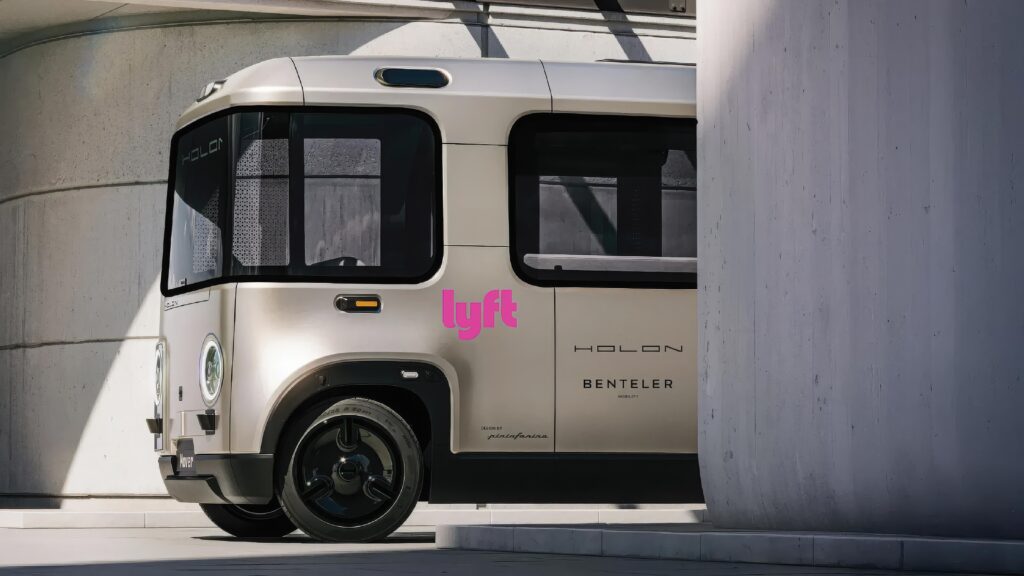
(Image: Lyft)
Rideshare platform Lyft is establishing specifications for the sensors on the driverless vehicles it plans to use, which will impact the design of systems, writes Nick Flaherty.
The specification covers multiple sensors that include cameras, radar and Lidar because the company believes that a single camera sensor is not safe enough.
“There are approximately 40,000 deaths and 2.4 million injuries in the US every year on the roads. Car crashes are the leading cause of death for teens and young adults, and remain among the leading causes of death across much of the lifespan. We accept these numbers in a way we would never tolerate from any other form of transportation,” said David Risher, CEO of Lyft.
“We want to make that number zero and autonomous vehicles [AVs] are part of that plan. AVs never drive distracted and are designed to obey speed limits and traffic laws. But not all AV technology is created equal. Sensors are the eyes and ears of a self-driving system, and providers have taken sharply divergent approaches,” he said.
“As we’ve evaluated various systems, we’ve come to a conclusion. To meet our safety standards, autonomous vehicles must have a multi-sensor approach.”
Some AV systems use multiple, overlapping sensor types so that if one fails or is temporarily impaired, the vehicle can continue to operate safely.
Other sensor architectures rely on a single sensor type, and each has limitations specific to that technology. For instance, cameras can be blinded by glare, fog and lens occlusion; radar struggles with stationary objects; and Lidar can be degraded by heavy precipitation. If the vehicle encounters environmental conditions that affect that single type of sensor, all sensors could be impaired at the same time, leaving the AV without adequate perception.
Redundancy across multiple dimensions is critical and multiple perception technologies avoid a single mode of failure in that redundancy.
“We also recognise that more sensors alone aren’t enough – the software integrating that data has to work well, too,” said Risher. He points to neural networks processing multi-sensor inputs that are improving faster than the failure points of any single sensor type are being resolved, which he sees as supporting the use of multi-modal perception.
“This isn’t a permanent verdict on a single-sensor approach. It reflects where the technology stands today and where the engineering and safety evidence currently points. AI and sensor technology are advancing fast, and we will revisit this policy as the landscape evolves,” he said.
This could include when a single-sensor AV system meets a standard set by a credible authority such as the National Highway Traffic Safety Administration in the USA for fully driverless operations.
Last year, Lyft signed a deal with Benteler for Holon Urban driverless shuttles. These use six short-distance and three long-distance Lidar sensors, as well as six radar sensors and 11 camera systems, reflecting the multi-modal approach. Lyft also works with May Mobility for the world model and reasoning engine, camera sensor Mobileye and Japanese conglomerate Marubeni, which is supporting the rollout of autonomous shuttles in Texas (USA) later this year.
UPCOMING EVENTS