







DDS for underwater camera
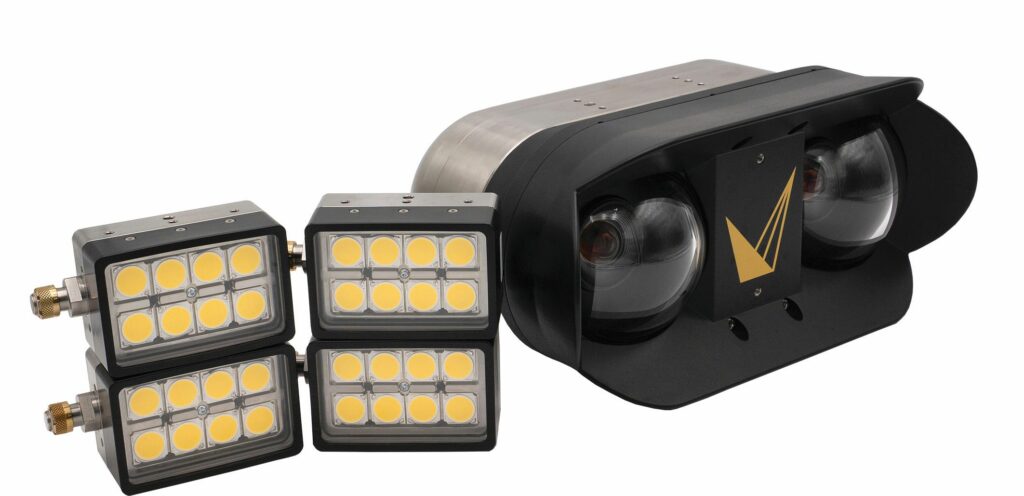
(Image: Voyis)
Voyis is using a publish–subscribe protocol to simplify the integration of its underwater camera into autonomous craft, writes Nick Flaherty.
The Voyis Discovery and Observer Vision Systems use Real-Time Innovations (RTI) Connext as the underlying data distribution framework for the onboard software and data architecture. This helps ensure imaging outputs move reliably and predictably across onboard compute, autonomy software and vehicle systems.
The Discovery and Observer Vision Systems are the first smart remotely operated vehicle camera platforms to deliver both low-latency video and direct 3D modelling from still images for autonomous subsea vehicles used in commercial and defence operations.
Voyis says it selected the RTI system based on the Data Distribution Service (DDS) standard after encountering limitations with alternative open-source implementations, particularly when debugging and maintaining complex distributed systems. DDS uses a publish–subscribe protocol where one node subscribes to another node that publishes data, rather than message passing. This enables a flexible architecture where nodes can be easily added, using microservices that support deterministic, real-time communication across Voyis’ embedded camera systems.
“The depth of tooling, documentation and support that came with Connext allowed us to focus on building a robust, flexible vision system rather than troubleshooting the underlying infrastructure,” said Adam Riese, vice-president of engineering at Voyis. “That foundation gave us the confidence to move quickly and design for change. As system requirements evolve, we were able to integrate new capabilities and maintain performance without re-architecting our approach.”
UPCOMING EVENTS